
The Skin barrier- A controversial topic
The internet made us think skincare only “works” when something dramatic happens.
Your skin peels. You’re red for three days. You can feel the acid working. You need downtime. You take a before-and-after photo.
And I think that has completely distorted the way we think about a good facial.
Because one of the most important things you can do for your skin is actually much less dramatic: protect its barrier.
Your skin barrier is the outermost part of your skin, but it isn’t just dead skin sitting there waiting to be exfoliated away. It’s an incredibly organized protective system made up of skin cells and lipids—including ceramides, cholesterol and fatty acids—that helps control what gets into your skin and, just as importantly, what gets out.
One of the things it’s trying very hard to keep in is water.
When that barrier is healthy, your skin holds onto hydration better. It tends to look smoother and more supple, feels comfortable and is better equipped to deal with everyday environmental stressors.
When that barrier becomes compromised, water escapes more easily. This is called transepidermal water loss.
And this is where skincare can get confusing.
Skin that needs barrier support doesn’t always just look “dry.”
It can feel tight after cleansing. Products you’ve used forever may suddenly sting. You might notice flaking, rough texture, redness or sensitivity. Some people start seeing more breakouts or oiliness and assume they need to cleanse or exfoliate even more.
So they add another acid. Use the retinoid more often. Scrub the texture. Book another aggressive treatment.
And sometimes we end up attacking the very skin we’re trying to improve.
I’m not anti-peel. I’m not anti-retinoid. I’m not anti-device. There are skin concerns where more intensive treatments make sense, and I think they can be fantastic when they’re used appropriately. I have done many of them myself and have been happy with the results- very happy.
What I disagree with is the idea that every facial needs to be corrective or aggressive to have value. There is real value in maintenance and giving the skin hydration, lipids and ingredients that support its barrier. There is value in thoughtful exfoliation instead of automatically choosing the strongest option. There is value in looking at someone’s skin that day and deciding that what it needs most is support rather than another challenge.
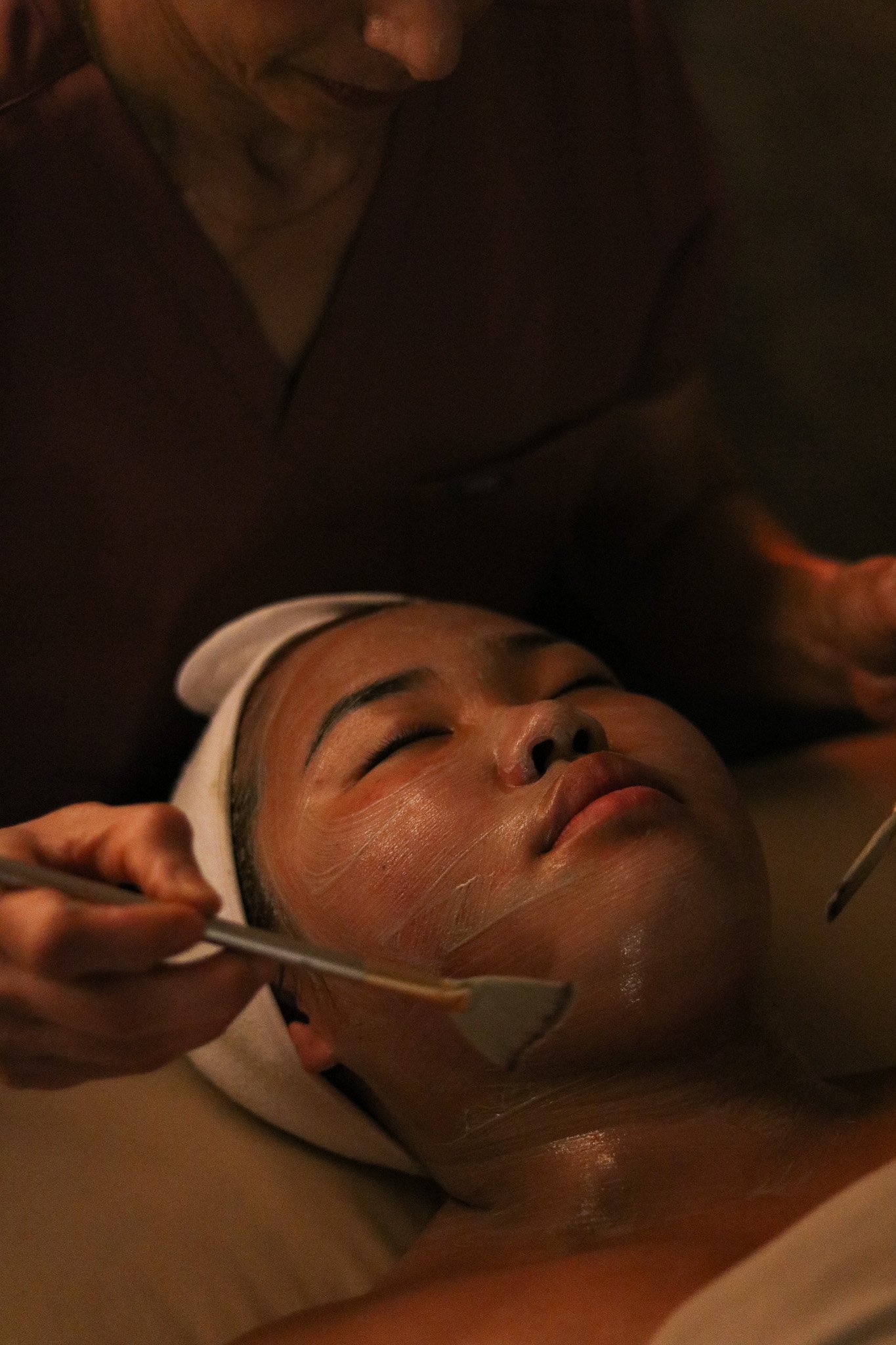
And there is absolutely value in facial massage, lymphatic techniques, LED when appropriate, and spending an hour deeply relaxed while your skin is being cared for.
That is not the “less effective” facial.
It has a different job.
I think of intensive treatments as renovation.
Barrier-focused skincare is maintenance of the house.
You can renovate all you want, but if you never maintain what protects the house from the outside world, eventually you’re working against yourself.
And this is especially important because so many people are already doing a LOT at home.
Retinoids. Vitamin C. Glycolic acid. Salicylic acid. Prescription products. Exfoliating cleansers. At-home devices.
Your facial doesn’t automatically need to add another layer of intensity to an already very active routine.
Sometimes the smartest facial is the one that leaves your skin looking plump, hydrated and luminous, but also feeling calm and comfortable, without peeling, pain, and a receivers period. Just really healthy-looking skin.
I think we’ve spent so much time teaching people how to exfoliate, resurface and correct their skin that we haven’t spent nearly enough time teaching them how to protect it.
And considering your skin barrier is literally the part standing between you and the outside world, maybe protecting it deserves a little more respect.
And honestly, this is where I think we need to talk about teenagers.
Because a lot of them are unintentionally wrecking their skin barrier and don’t even realize it.
They’re starting skincare earlier than ever, which isn’t the problem. The problem is the intensity.
Multiple acids. Strong actives. Over-washing. Harsh scrubs. Constantly switching products from TikTok routines that are designed for “results,” not for skin health.
And what often happens is this cycle:
Their barrier gets disrupted → their skin gets inflamed → they break out more → they assume they need stronger products → and the cycle repeats.
But a lot of those breakouts aren’t just “teen acne” in isolation.
They’re also barrier-impaired skin reacting, overproducing oil, becoming inflamed, and struggling to regulate itself properly.
So here’s my controversial skincare opinion:
If we’re constantly trying to remove, resurface and renew the outer layers of our skin, but we’re not equally focused on rebuilding and protecting the barrier…we’re only doing half of skincare.